

A Year's Review of Fiction
In the thick of school, I never thought I would ever enjoy reading again. It can honestly be dreadful for some students, reading excessive loads of stuff they may not have cared much about to start with. My brother, an Architecture student, wonders if he’ll be able to enjoy a novel after graduation or if he will even have the pure luxury of time to do so. I have friends that tell me they want to get back into reading but never seem to jump in when the minutes become available. Even me, a student of English, sighed audibly at the sight of some teacher’s syllabi at the beginning of some semesters, wondering how I would ever relish a novel of my choice in the future.
I ho-hum wondered about the way literature is presented these days in school in the last post, but, for this one, I simply want to suggest that the world of reading is something of color and amusement. The images a book can conjure up could blow any incredible CGI out of the water with its intricacies and detail. It just has to be the right one at the right time.
Lately, I’ve had many strokes of good fortune, stumbling across an obscure title in a bookshop or listening to a half-second recommendation from a stranger that I remember weeks later. There are works out there that will waste your time, and you won’t see a purpose in them. These are still necessary because you’ll hone your taste and discover more deeply why you like the things you like (and vice versa). It is just as essential to let your mind wander among works you’re skeptical about too. Surprise abounds at every corner of the bookstore or the library, I assure you.
So if the last post showed some grievance to how school kind of knocks the light out of the socket, this post is about how it plugs it back in. How else would I have been introduced to the beautiful works of F. Scott Fitzgerald or Chinua Achebe? Where else would I be able to discuss with peers, in an organized setting, the things we liked or felt awkward or wonderful in a work of literature? A classroom can certainly be a very constructed way to introduce these things, but without the teachers I had, ones that encouraged us to be lively readers and active learners (despite some barriers perhaps), I probably would’ve given up on any form of reading after school finished.
If a goal for the New Year is to read more or to start reading again, take this advice: make it a habit. Wake up twenty minutes earlier and put your head in a book with your morning coffee or turn off the television in the evening in favor of a good story before bed (in fact, turning the news off more during the day could lead to a better day overall anyway). On the way to or from work, listen to a gripping audiobook. But, I do urge, if you want to get back into reading, start with fiction. Reengage your imagination with a fantasy or a thriller. Something that ignites your mind and makes you want to go back to finish that last chapter.
It’s my best advice to anyone with that yearning. Here are some recommendations from my 2019 list to get you started if you like.
⌈⌊⌉⌋
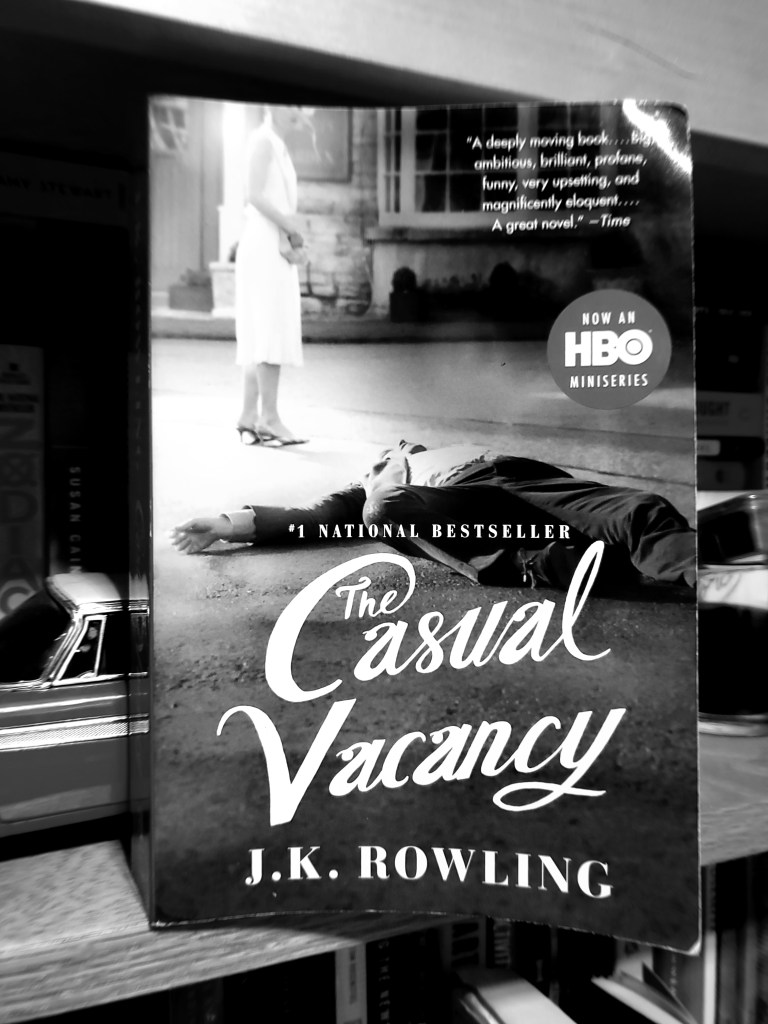
I may start wars with this one, but I enjoyed this J.K. Rowling novel more than I did the Harry Potter series. The Wizarding World more-or-less defined a part of my elementary years, yet somehow, Rowling captured all of my senses with this one. Imagine a scenario where you’re invited to understand all of the interactions of people in a small town: all the goings-on, all the lies people tell each other, all the real thoughts people think, all the situations going on behind closed doors. Now imagine that a seat on the town’s council, held by a beloved member of the community, has opened up due to sudden, unfortunate circumstances, and you get to watch from the shadows everyone’s mischievous plans to vie for that seat. Consequentially, you also get to spot the well-intentioned people trying to improve the community further and help its citizens, and watch how ill-intentioned members cause catastrophe. It is an impressive novel, albeit without wizarding wars and Quidditch competitions, that spans over five hundred pages of really juicy storytelling.
The Financial Lives of the Poets
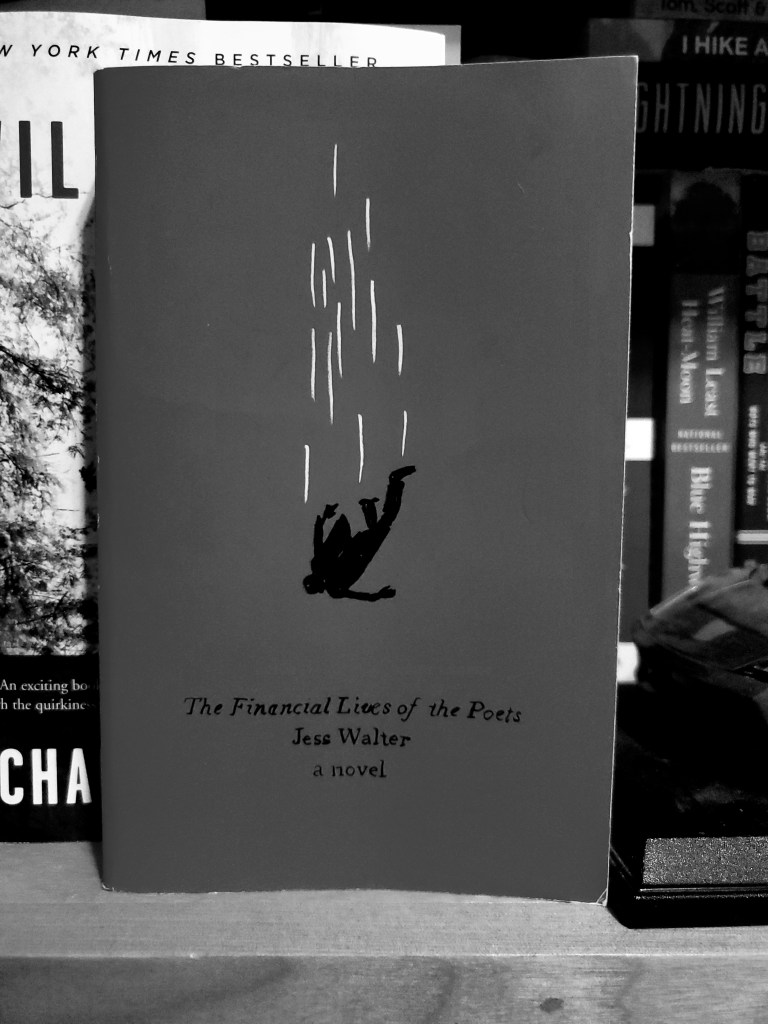
I picked up this paperback because of its minimalist red cover and the fact that it was a buck twenty at a closing bookstore. It’s merely about how things aren’t always as they seem and Jess Walter creatively envelops the reader in a world of anxiety and chaos. Set in the aftermath of the 2008 financial crisis, Matt Prior finds himself at a loss with his web-based company that offers poetic and lyrical business advice. His senile father, along with his shopaholic wife and his son, all live in a house that they grossly overpaid for, and there is an ever-present influx of bills. Matt makes the conscious and, seemingly, calculated decision to sell weed with a group of kids he met at a Seven-Eleven gas station very early one morning to aid his ailing situation and save his marriage. The story just gets wilder from there. It’s a heartfelt story in which good intentions get mixed with fateful actions. The New York Times wrote of it “combining the elements of tragedy with a sitcom sensibility,” and it will leave you laughing, crying, and quite possibly, reflecting.
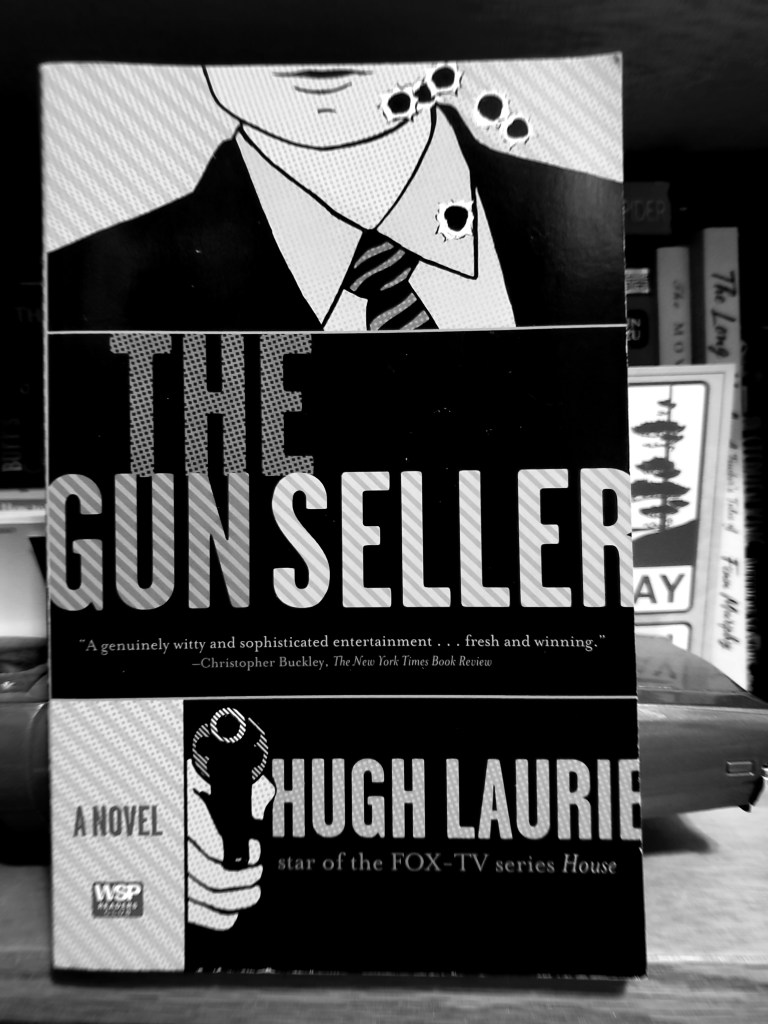
I have one question for Mr. Laurie, one you’ll likely be asking too: where’s the sequel?
If there is any one book on this list that I would quickly recommend to any passerby, it would undoubtedly be this one. Hugh Laurie can write a good story, and his acting experience can only influence the craft. It reads like a movie. It starts with a slow-motion scene of the main character, Thomas Lang, interlocked in a struggle with an assailant in his home. He’s thinking all sorts of different things in the midst of having his arm broken by the intruder. From there, Lang, who commits many contract mercenary or body-guard jobs for a living, gets entwined with the British government, a terrorist organization, a plot to launch a new weapon in the form of a helicopter, and a sneaky romantic plot. And given who it’s written by, you’ll be laughing at all of the cooky situations and sly, minute humor that this book is chock full of.
I’m waiting for the sequel or the film, whichever comes first.
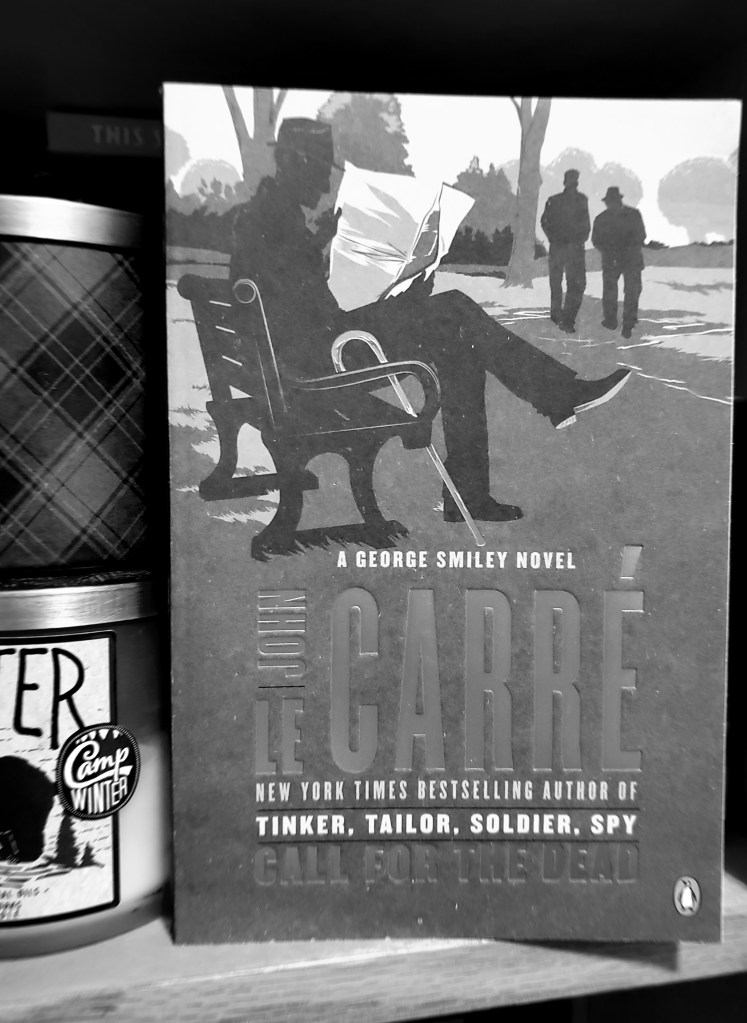
This is the first George Smiley novel in the series, but it is not my first George Smiley read. Before I was educated on the novels of John le Carré (an education that only time would be able to grant me), I learned that Tinker, Tailor, Soldier, Spy is number five in the series. That’s probably why I chose not to read any more from le Carré in the time since reading it. Yet, I wanted badly to see if I would eventually like these spy novels, and this title here is only about 160 pages.
So, three days after picking up a copy, I finished it. It’s a neat, very conspicuous little novel, and the story is concise like a bow on a tiny gift. As is often described of the world of le Carré, this book is so contained that the reader sees almost everything that is this tiny bubble of a secret society. George Smiley struggles with his employment with the Circus, the secret service, and sets to resign; however, the surprising suicide of a colleague presents trouble that warrants explanation. What unfurls is the goose chase Smiley embarks on, uncovering details and hidden narratives, while remaining ever so secretive.
It’s as if the classic mystery novel meets illustrious prose and memorable lines. It, however, doesn’t so much feel like a spy novel as much as a murder mystery. I look forward to continuing this series.

I may be the last person on this planet to devour this story. Still, nonetheless, Stephen King never wavers in his ability to combine absolute horror with the most intense of human emotions. No other novel that I’ve read by King, save for one of my most favorite novels, Christine, highlights that blend better than The Green Mile. I don’t really want to watch the movie version because of one specific scene in the book, one in which my eyes surfed over to get past the awful and grotesque ending to an inmate’s life.
Mr. John Coffee has been sentenced to death for the murder of two little girls and the head warden, Mr. Paul Edgecombe, questions whether or not he’s the one to walk the green mile (the stretch of green linoleum floor lining that connects the cell hall with the execution chamber and the electric chair). It’s an emotional story that will likely leave you in tears. It makes me wonder, also, why it isn’t used in English classes as it is ripe for interpretations (based on several papers I’ve read online).
One of the most memorable books I had the misfortune and the privilege to be assigned to read in high school was The Great Gatsby. It was a survey of American Literature, and we read several defining works of fiction, poetry, and plays, but the one I enjoyed the most (or would retroactively remember to be the one I enjoyed the most) was Gatsby. I came to love how designed, purposely thought out, and understated it is. It was described to us high school sophomores as the quintessential American novel and one that defines the jazz age.
Yet, after picking up this novel by Edith Wharton, I kind of question why we repeat that notion.
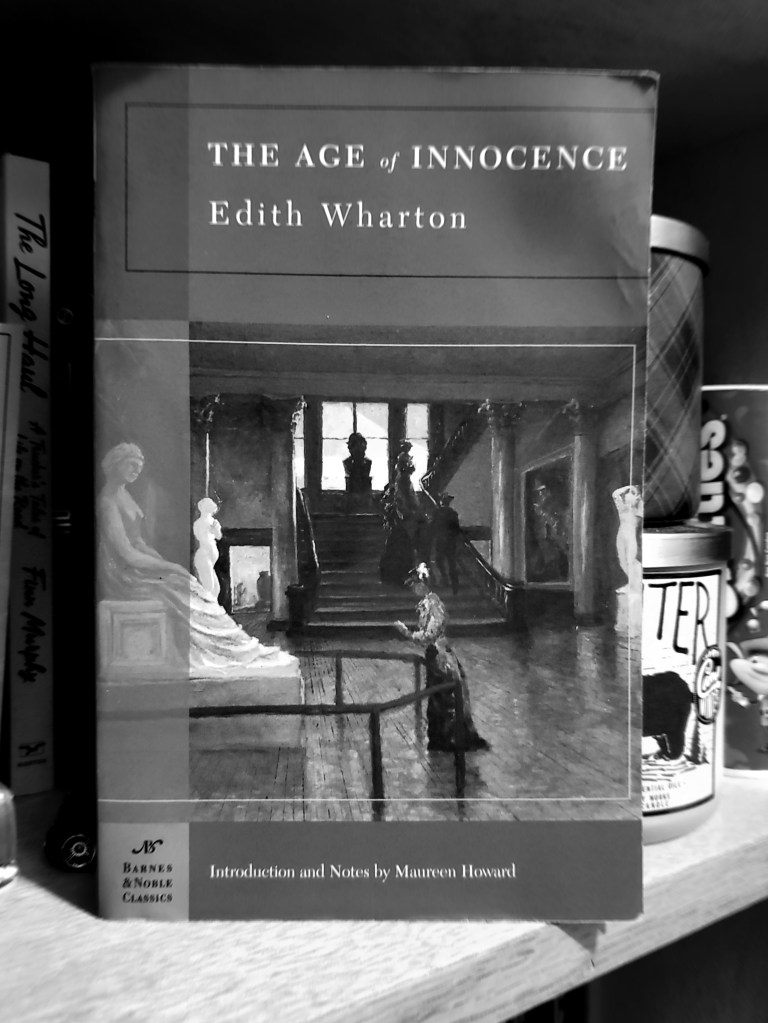
I don’t hesitate to say that this book was the best book I read in 2019. It’s probably the best book I’ve read in the last five years, and it’s because the story wraps you up in this forbidden love affair of the ravaging and cultured Madame Ellen Olenska and the stately and proper Newland Archer. I don’t understand why we didn’t read this! It creates the perfect image of New York society at the turn of the century and shows the interesting deprivation and conflict that bestowed many a privileged few in the twenties.
Not only that, but the ending just killed me. I was dumbfounded, finishing it, and it took quite a while for me to accept the conclusion. Whereas Gatsby is such a brisk, serene, and bump-free trip of beautiful prose masking a heart-sinking plot, The Age of Innocence pulls you up a tall mountain and then kicks you off the cliff once you reach the end. And you enjoy every minute of it, even if you have a dictionary to supplement your sojourn.
⌈⌊⌉⌋
Browse the aisles of a local bookstore or library this year. Pick up something that sparks sweet curiosity or even something that troubles you when you read the back cover. One trick I sometimes use is daring to read the last sentence of the book. If it is powerful enough to warrant extreme intrigue in the story preceding it, I give it my time.
It hasn’t failed me yet.
⌈⌊⌉⌋
Marianas Trench—Who Do You Love
Little Big Town—Don’t Die Young, Don’t Get Old
Joy Williams—Not Good Enough
Tall Heights—Two Blue Eyes
Ben Rector—I Will Always Be Yours
 Buy My Ticket Home
Somehow I missed this….wonderful recommendations! TBH, I haven’t enjoyed reading/read as much since becoming a mom. Really haven’t analyzed the mechanism. This list will help me reinvigorate my mind, I hope! Thanks!
LikeLike