
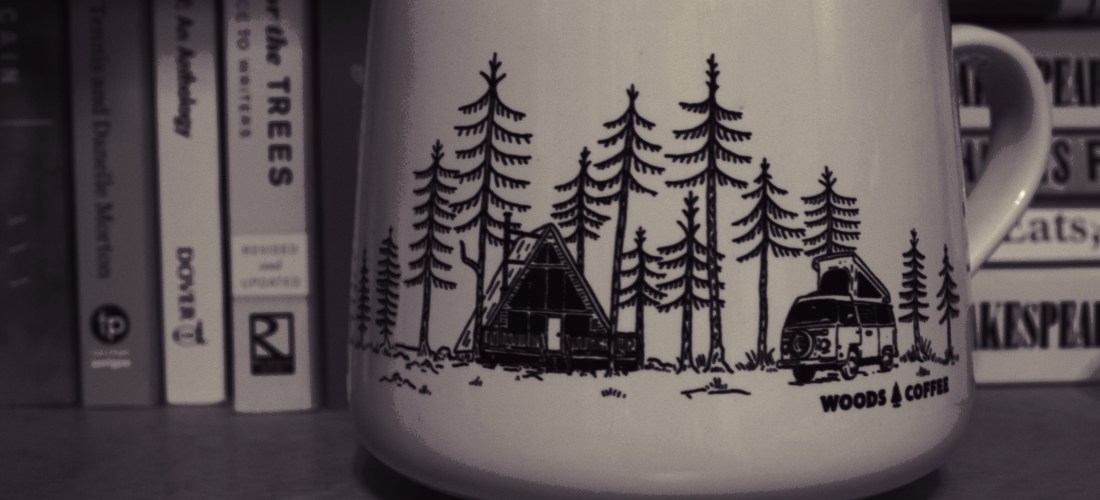
How one thing could teach us something else
It’s amazing to me that one single object or activity can so gracefully and implicitly teach you about something else. The way fiction does it is incredible, but it’s also incredible to experience that epiphany in real life, and not just intellectually. Going to an art museum and studying sculptures and paintings can spark thought in the brain, thoughts of how one relates to art or thinks about why one hates one piece over another. In other words, that art gallery teaches reflective thinking and healthy modes of criticism. A more relatable example is the stage of life filled with wonder, turmoil, hardship, and discovery. Also called University. The tangible lessons of Statistics and English, Economics and Shakespeare, and History and Philosophy leave seeds for future development if one so chooses to pursue those. The more implicit lessons, however, come in the form of social skills, time management skills, and simply adapting to the ever-constant balancing act of having a social life or becoming an academic recluse for four-plus years. My favorite example, though, is that a walk in the woods isn’t just a walk in the woods. It’s a lesson in self-reliance, endurance, and one’s interaction with the immediate environment.
Is it so strange, then, that I began to pick up on these nuances of some of my favorite YouTube channels? Perhaps that’s the Liberal Arts degree talking (or my self-prescribed insanity), or it’s a notion worth noting and recognizing in the things we love to do and talk about. I’ve learned that there are many shades to everything and there is always something new to sink your teeth into. Maybe this is, coincidentally, why I feel strange about having just graduated from University. The stress of schoolwork and performance is over (finally) and the rush of the semester has suddenly halted, but the resultant whiplash that has occurred has left me feeling weird as if I might miss those things. I know in the logistical side of my mind that learning never stops (and that I can stress myself out easily with just one impossible thought), but the opposite side of my brain is a crazy, mapped-out-in-red-yarn conglomeration of how that learning of new things will occur. And I think a solution to this is one that I like to prescribe for everyone else who yearns for a break from the mundane: Wake up with the imagination and the gumption to be surprised by something you think you already know.

Such is the case with these two creators. Admittedly, I would’ve liked examples more along the lines of academia or philosophy but, again, be surprised about what you discover! The first of these two channels belong to an energized woman named Whitney Adams who, though not as often anymore for important, valid reasons, discusses wine. She’s a former sommelier who’s visited all different parts of Europe, including several regions in France and Italy. Apart from being knowledgeable about wine, its geography, and producing great video content, she is simply a lovely person (if she ever sees this, let it be known that I came for the content but I stayed for the personality). She’s a hoot and has authentic personality in not just spades, but diamonds, clubs, and clovers too.
Now, before we start having thoughts flying around like “ugh, another wine snob” or “ugh, another wannabe wine snob” or, merely, “ugh,” let’s pause to say that, though I enjoy the occasional beverage, I refuse to turn up my nose at someone else’s preference (with anything, actually) and I certainly try to restrict my nose and pallet observations to palpable ideas and also try to restrict them, well, to myself (no beverage on earth, I’m all but positive, contains smelling notes of the Taj Mahal or James Bond’s 1963 DB5). I’ve learned to enjoy something, indulge in the culture a little bit, and remain relatively on the outside looking in. And Whitney sparked an interest with her bubbliness and non-sugar coated preferences and ideas. It’s neither a necessity nor an obligation to enjoy wine all the time. It’s just that: enjoyment (and not intoxication…I see you, Mom).

The second case of the two is a channel authored by James Hoffmann, a wonderfully British dude that appears to be between the ages of thirty-five and sixty, and in between the styles of business casual and full-on hipster drama. This channel is ultimately the same story as the previous one: the subjective, nuanced content laced with extraordinary wit and personality has my name written all over the subscribe button. James, in much the same vein as Whitney, is a master of coffee. He was the World Barista Champion in 2007 and has since gone on to open an award-winning roaster, write The World Atlas of Coffee, release a second edition of The World Atlas of Coffee, and create videos with worthwhile and pleasurable British sarcasm (a trait, I’ve learned, that not all Americans appreciate but given that I was essentially raised with “British-ness” all around me—hi, family—I find it highly amusing).
James’s videos dive headfirst into the sublime culture of the third-wave coffee industry with content ranging from getting the perfect cup from a mainstream French press to the niche ugliness of espresso in the modern era. His reviews of interesting coffee concoctions, of which clear coffee beverages are notoriously a part of, are wild and funny in that he reviews them so I won’t have to. Combined with the honest advice of a World Barista Champion, easy coffee hacks, and harshly substantial critiques of modern trends, James really has a lucrative amount of content in a relatively covert corner of YouTube.
As opposed to my statements previously about wine, however, I do drink coffee on the daily, I need the caffeine (take “need” lightly), and will probably continue drinking coffee every single day for the rest of my life. It tastes like my favorite seasons in a cup (albeit a good cup).
In Bianca Bosker’s excellent book Cork Dork, she goes on a wild adventure that begins with her quitting a secure job and ending with her sommelier certification. It’s a fascinating and entertaining read. All the people she meets on her journey, from wine bar owners to certified sommeliers to wine scientists to fellow beginners, share some new shade of the wine world with her. She ends a concluding section with something profound, something that the reader realizes is echoed in every chapter of her book, and one that carries a higher purpose and defines the lives of all the crazy wine nuts, err, experts she encounters:
“The liquid that forms our first sip is not the same liquid we drain from the bottle for our last. And the wine you drink is not the same as the wine I drink. It is altered by the chemistry of our bodies, the architecture of our DNA, or the backdrop of our memories. Wine exists only for you, or me, and it exists only in that instant. It is a private epiphany in the pleasure of good company. So don’t let it slip by. Savor it” (294).
My attempt to avoid sounding obnoxious and overtly arrogant may have failed brilliantly with this one, but I find it valuable: the delightful range of smells, bodies, and tastes of our favorite beverages (not just coffee and wine) can, if we allow for the space and breadth, teach us something about flavor and the beauty of enjoying something to the fullest. Two solitary objects, seemingly mundane (or pompous), have different sides to it, and I tend to think that everything (and everyone) is like that if we choose to get up off of our seats and make an effort to walk around to that side.
Since graduating college and earning my degree three weeks ago (wow…it has already been three weeks), I’ve been eager to start doing things with it even though I don’t have a clue of where to begin. Having been everything but completely burned out over the last six years, getting used to non-student life is something novel to my psyche. And to be honest, it’ll take time to get used to. But being out of that environment and into this new one has allowed me, finally, the opportunity to slow down and listen to the trees, smell the sweet scents of nature, bask in the quietness, and truly focus on the things around me. I get to savor these moments, and maybe, if I’m open enough, I’ll get to discover new things, see new sides to everything, and keep my imagination wild.
⌈⌊⌉⌋
- The idea for this post came about sometime in January, and I had written two versions of it. But with the way I think, it sounded ostentatious and I chose to scrap it in favor of scrambling this third version together in one night (upside-down smiley face, right here).
- I am by no means claiming to be an expert in any of the above, especially the coffee and wine parts. I couldn’t tell you if a wine came from Provence or the Loire Valley, but I could tell you all about its body and flavor. And also what color it is, although that isn’t quite the hardest trick to master (again, upside-down smiley face).
- The world of tea is also undeniably fascinating and carries the same traits that I describe above.
- A more practical example of how I’m working with this is assigning titles to all the scents I smell. This can increase my descriptive vocabulary, and every time I smell that scent, I’ll now have an arsenal of available descriptors which should hopefully improve my communication skills.
- Try slowing down for yourself! Smell the things you put in your mouth, say out loud to yourself what you’re experiencing, get to the root of why you do or don’t like something, or start journaling!
⌈⌊⌉⌋
NEEDTOBREATHE—State I’m In
Bon Iver—Holocene
Andrew Belle—New York
Saga—On the Loose
She & Him—London
Jonathan Hultén—Leaving
Ludovico Einaudi—Andare, L’origine Nascosta
Eric Whitacre—Lux Aurumque
 Buy My Ticket Home
Great post 🙂
LikeLiked by 1 person
“Slowing down for yourself…” I am reminded of a recent research brief advocating active mindfulness to retard dementia. So many benefits of living in the moment!
LikeLike